Easter Morning
Chapter 1
She was not born so much as poured, poured from a river that remembered colours before names. At first, she had no eyes. Only the idea of seeing.
Each year she was allowed this one day to awaken and remember. The light gathered in the hollows of her face and became gold. Her eyes opened onto the forest.
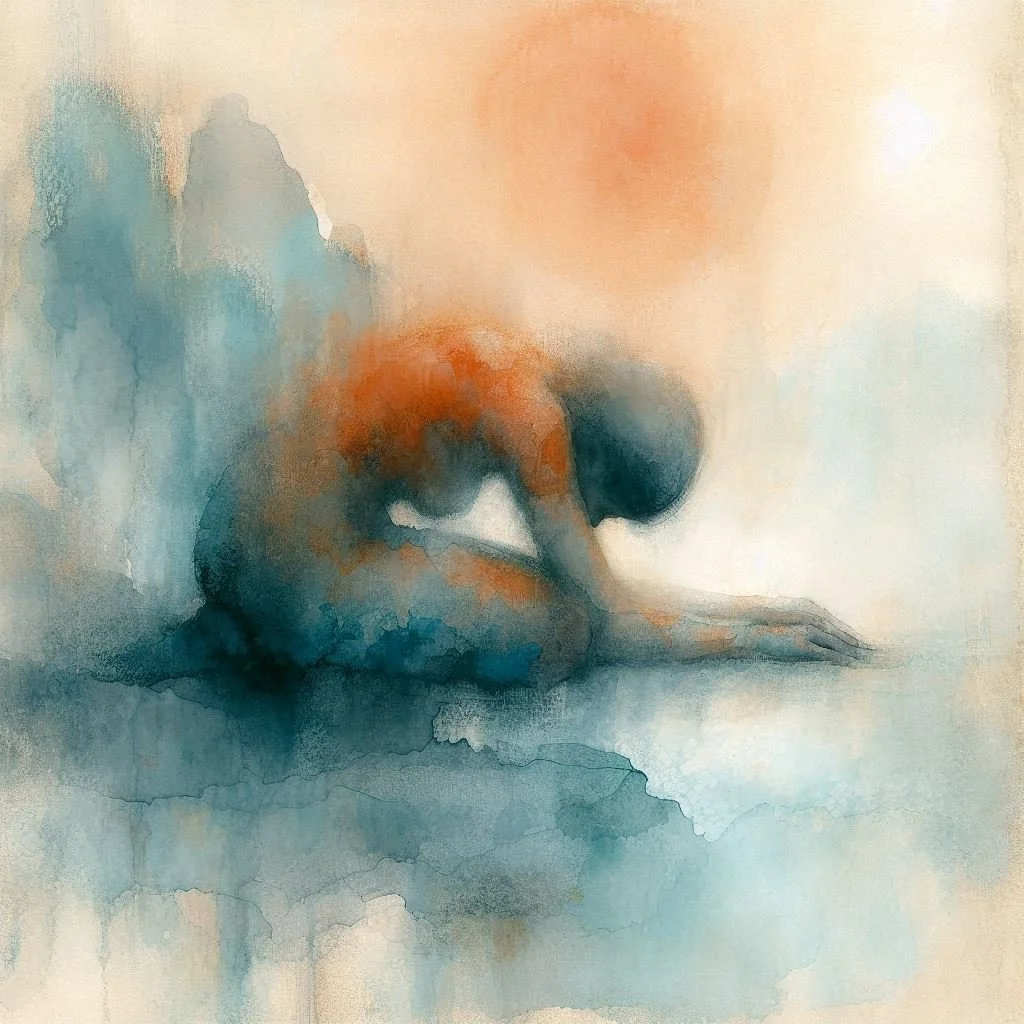
She kneels in the moss and tries to remember her hands. The garden. She returns to it whether she means to or not. To be with him and without him. This is the condition she was given, and she has stopped calling it grief.
But the hands. She needs to start there. With what her hands knew before her mind caught up.
Chapter 2
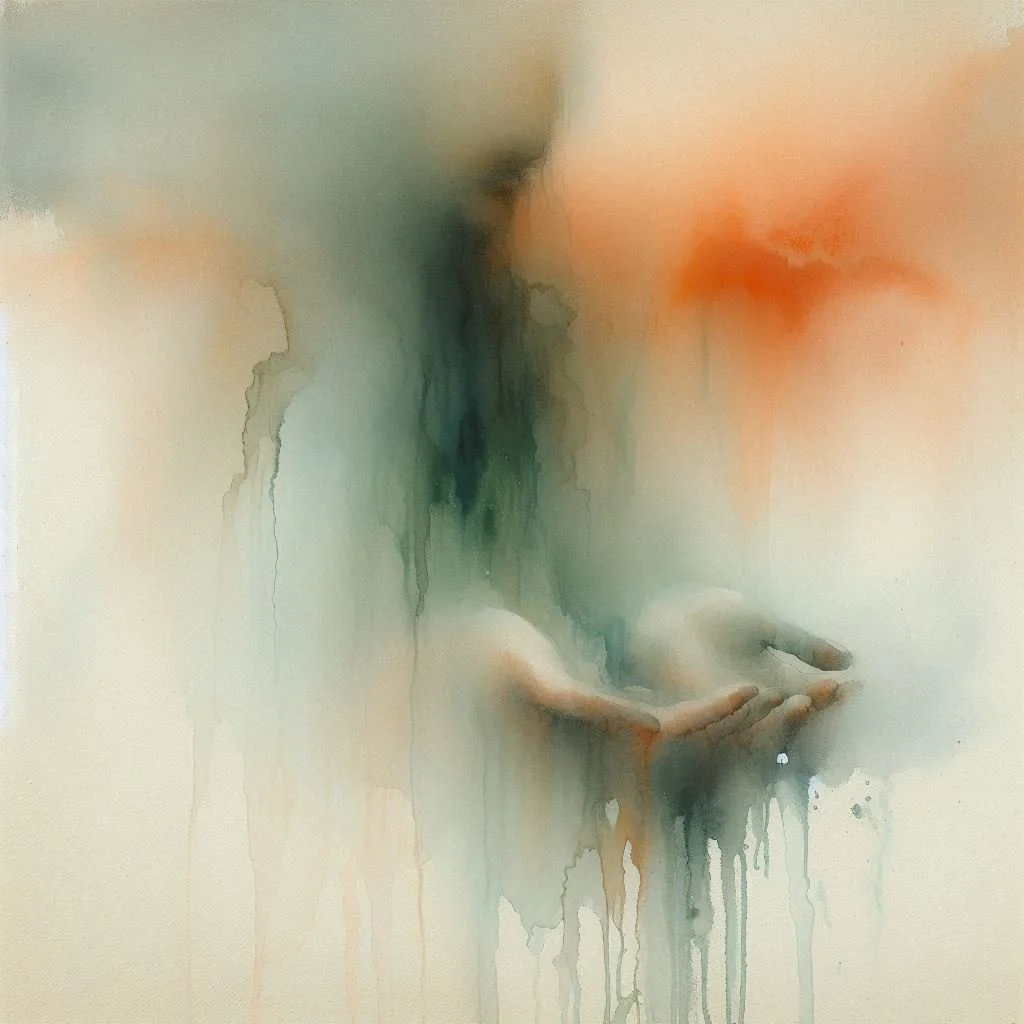
She had always known how to pour.
His feet were dusty from the road. The room was loud with a disapproval that had no language yet, that would later find language and use it for centuries. She had not heard the disapproval. She had heard only him.
She loosened the stopper. The spikenard opened in the room like a second presence, dense and unapologetic, the kind of smell that doesn't ask permission. When she looked up, the faces around the table had tightened.
Waste, someone said.
He leaned forward. Some silences, he said, can only be broken by an act so tender it becomes an argument.
She did not say anything. She wiped his feet with her hair, and the room eventually found another conversation, and she stayed on her knees long after it was necessary, because it was the one position in which she had always been able to think clearly.
Chapter 3
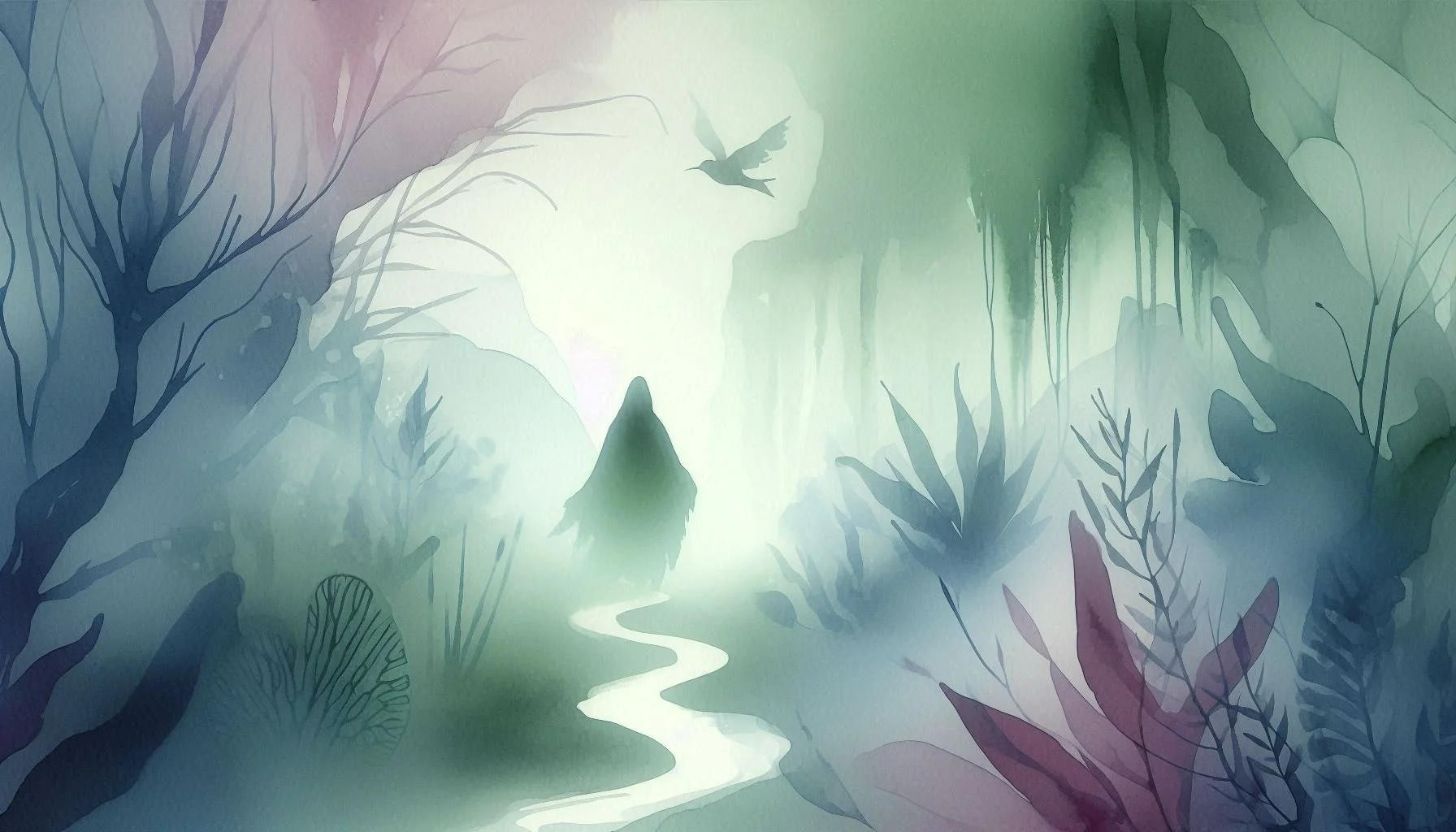
In the forest, the scent of spikenard returns before the memory.
She remembered all over again. How she had gone to finish the burial rites. The dead required tenderness the living were too frightened to give. She had never understood this fear. The body after death was simply the body at its most honest.
The stone was moved. The tomb was empty.
She stood at the entrance a long time before she went inside, and a long time inside before she accepted what she was seeing. There was an imprint in the cloth.
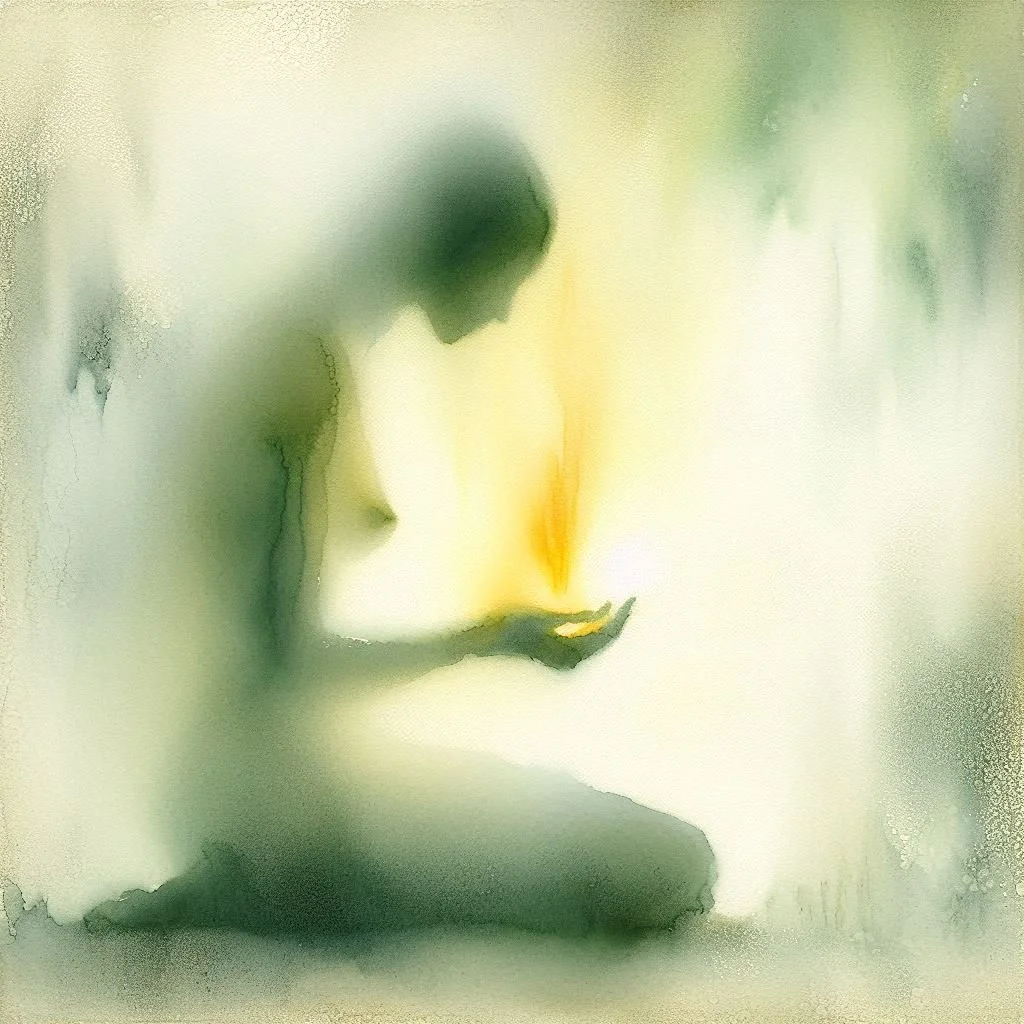
She went back outside into the light and wept, because she had come to do one last thing for him and now she could not do it, and her hands were full of ointment and nowhere to put it.
Mary.
The word arrived before she recognised the voice. Her name, small, particular. He said it like he had been carrying it in his mouth for a long time. Like an exhalation. Like something he had been saving. A seed from which many gardens would grow.
She turned.
His skin was not skin now but something in rehearsal. Veins like tributaries. Roots in the suggestion of descent. She understood, looking at him, that return does not look like departure run backwards. It looks like this: familiar and entirely new, the same face made from different materials.
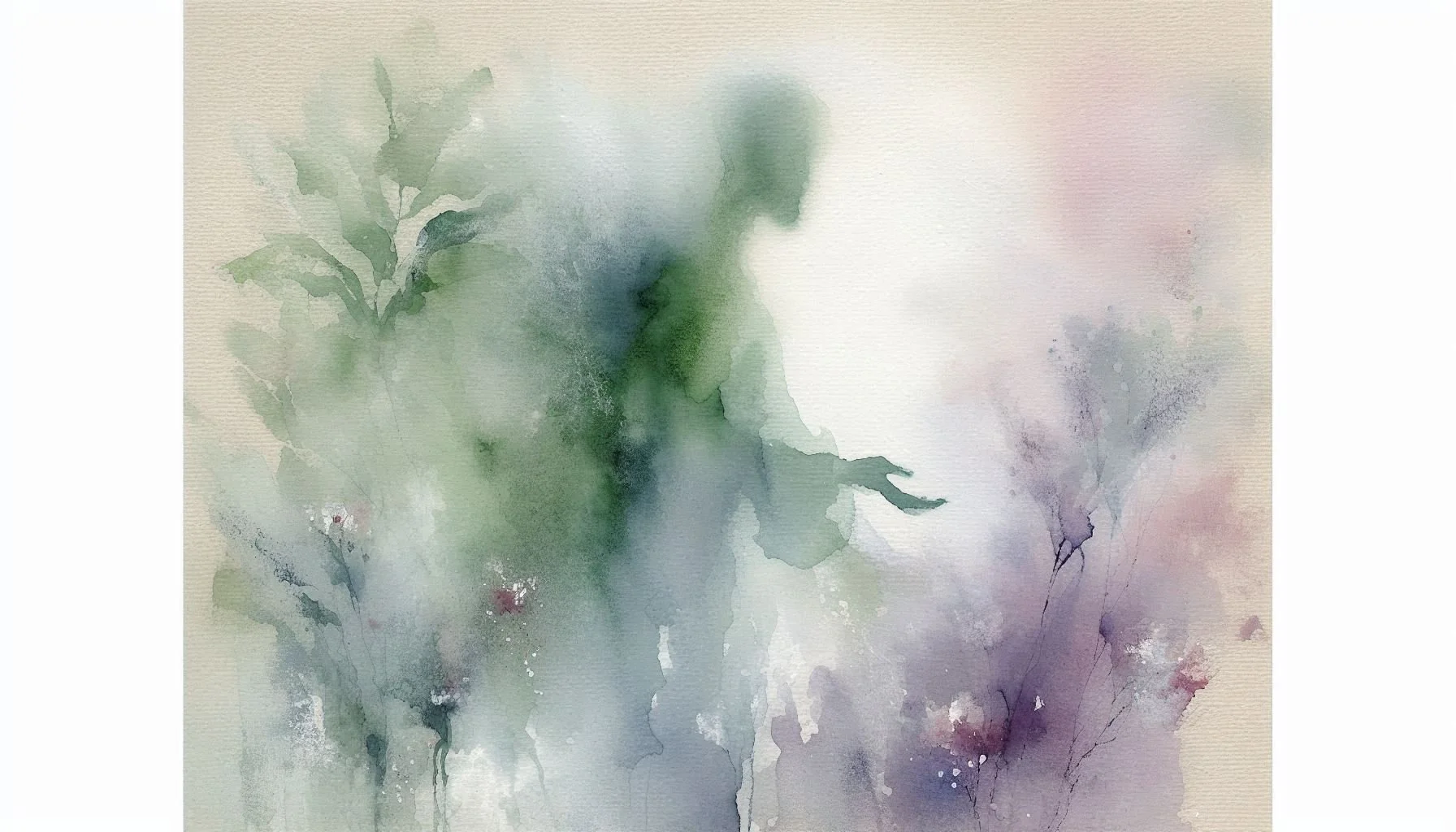
Don't hold on, he said. Or she understood him to say this. The words themselves did not remain, only the meaning: I am going further in. Follow me the only way you can: let go.
She had stopped arguing in gardens, at dawn, in years with no numbers. She did not argue now.
Chapter 4
She told them. Of course she told them.
She had been a witness her whole life, she had watched and remembered and testified while others looked away, and she saw no reason to stop. She told them what she had seen: the moved stone, the empty tomb, the man with the new face.
They did not believe her.
Chapter 5
This is not, anymore, a wound. It has become something harder and more permanent, a geological fact, the place where two tectonic plates meet in tension. She has carried it so long it has become part of her posture.
She had spent her human life being translated by those who needed her sinful or repentant. The language changed depending on who held the pen. She remained, underneath the translations, herself.
The forest has no use for her story. It receives her without asking. Mycelium reads her steps. The canopy adjusts its light. The river carries her name downstream until the name becomes sound, becomes water. She does not disappear into this. But something gives way.
Process & AI Diligence Statement
Content developed through an iterative collaboration across two AI tools: the source image was generated via ChatGPT (DALL·E), which also produced the first draft of the prose in response to the image. The text was then developed and restructured in dialogue with Claude (Anthropic), including narrative arc, character, and theological framing. Creative direction and editorial decisions by Kathy Warde for Quillshadow.